Where biotech meets biobanking
100+ academic biobanks across 23 countries. 0% transaction fees.
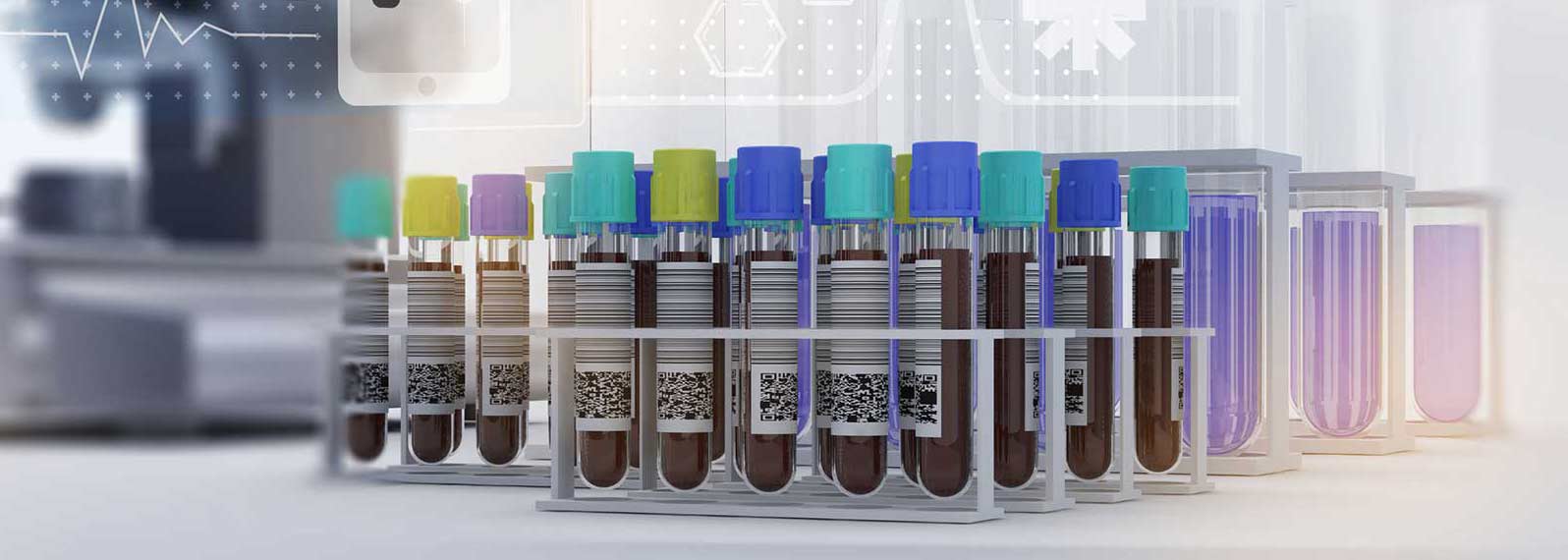
A global network of academic biobanks
All biobanks on our network are non-commercial and eager to work with industry.
Disease areas covered
Bubble size is proportional to the number of biobanks holding samples in each disease area. Hover for the full name and exact figure.
Tap a bubble for its full name and figure.
Sample types available
Bubble size is proportional to the number of biobanks able to supply each sample type. The 22 most widely held are shown; hover for detail.
Tap a bubble for its full name and figure.
From request to ranked biobanks in seconds
MatchEngine is our tool for automated matching. It scores every biobank in the network on disease, sample type and format — matching each company request to the biobanks best placed to help, and putting relevant requests in front of the right biobanks.
automated scoring
Precise matching, ethical sourcing, non-commercial by design
Precision matching
Requests are scored against every biobank on disease, sample type and format, so your shortlist is consistent, objective and genuinely relevant.
Ethical procurement
We connect you directly with source biobanks that follow recognised quality standards — full traceability, no opaque intermediaries.
Not-for-profit
A company limited by guarantee, aligned with the non-commercial biorepositories we serve. Our financial records are public.
Trusted on both sides of the network
“Very efficient — it enables identification and connection to relevant sources and collaborators for human specimens. The team is knowledgeable and eager to help with difficult scenarios.”
“Good patient samples and associated data are not easy to source, and Biosample Hub has really helped us speed up the sourcing process. It will help us validate our product that much faster.”
“Biosample Hub provides biobanks with the visibility they need to offer their services. It is easy to connect with new partners on interesting projects.”
Frequently asked questions
What does Biosample Hub do?+
We connect biotech and pharma researchers with trusted academic biobanks worldwide, and help those biobanks align their services with industry needs.
Where is Biosample Hub located?+
We operate online, serving a global community across the Americas, Europe, the Middle East, Asia and Australasia. The company is registered in the UK.
Does Biosample Hub handle individual patient data?+
No. Biosample Hub does not process, store, or directly handle individual patient data or identifiers. Such information is managed exclusively by biobanks and biotech companies.
Do I need to check organisations I connect with?+
Yes. We operate as a neutral platform and don’t endorse members, so your own due diligence on potential partners is essential professional practice. We offer guidance on how to approach it.
Why is Biosample Hub not-for-profit?+
There are compelling reasons to organise patient sample procurement non-commercially: commercial interests can reduce sample traceability, raising ethical and scientific concerns. Organising it non-commercially keeps sourcing transparent.
What does not-for-profit mean here?+
Biosample Hub is a company limited by guarantee, without share capital, so we have no shareholders. Our articles specify fair pay, the use of surplus funds, and asset distribution on dissolution.