GUIDE · AFRICA

Biobanking Challenges & Opportunities in Africa

Researchers face significant challenges accessing African biospecimens — regulatory, ethical, logistical and infrastructural. But solutions are gradually emerging.
Biobanking in Africa
The barriers

Summary of the challenges

Difficulties stem from regulatory, ethical, infrastructural and logistical barriers. Addressing them improves access and strengthens partnerships.

Regulatory & ethical barriers+
African countries have varied biobanking regulations, making compliance difficult. Strict consent policies, including community approvals, add complexity, and fragmentation complicates obtaining biospecimens. Past exploitation in medical research has created mistrust, so biotech companies must demonstrate local benefits and meet stringent ethical guidelines to gain trust.
Infrastructure limitations+
Many countries lack the infrastructure needed for biobanking — limited storage and standardised processes lead to inconsistent sample quality. Biobanks often struggle to link samples with critical genomic data, reducing their research value.
Logistical challenges+
Cold-chain logistics, essential for sample integrity, are often unavailable in underdeveloped regions. Shipping delays and inadequate handling further complicate matters, driving up costs of collection and transport.
Trust & historical mistrust+
Mistrust from historical exploitation remains a barrier. Companies must build transparent partnerships and clearly show how local communities benefit. Governments increasingly recognise the value of biospecimens, leading to complex negotiations over IP and profit-sharing.
Data sovereignty & representation+
Many countries prefer to retain control over genomic and health data, limiting sharing with foreign companies. African populations remain underrepresented in global genomic databases despite the continent’s genetic diversity, reducing the usefulness of available biospecimens for some research.
Progress

Positive developments

Several countries have made significant strides in infrastructure and supportive regulation, aided by global initiatives such as FIND and IARC.

South Africa

Leads in infrastructure, with robust institutions like the NHLS and the SA Medical Research Council, plus aligned regulatory frameworks.

Kenya

KEMRI is at the forefront of genomic research; ethical review boards and evolving regulations support access.

Uganda

The Uganda Virus Research Institute (UVRI) and H3Africa participation boost infrastructure, with a developing regulatory framework.

Nigeria

ACEGID and H3Africa involvement strengthen infrastructure, with improving regulatory frameworks.

Botswana

Known for HIV research, with strong protocols via the Botswana-Harvard AIDS Institute Partnership.

Rwanda

Heavy investment in healthcare infrastructure and centralised health-data systems support biospecimen management.

Egypt

A leader in North Africa, with advanced cancer-research infrastructure at the National Cancer Institute and Cairo University.

FIND

The Foundation for Innovative New Diagnostics strengthens local capabilities and ethical standards across Africa.

IARC

Part of the WHO, IARC supports cancer research, develops biobank networks and facilitates high-quality biospecimen collection.

Countries like South Africa, Kenya, Uganda, Nigeria, Botswana, Rwanda, and Egypt stand out due to their advanced infrastructures and clearer regulations. Additionally, initiatives like FIND and IARC play essential roles in improving access to biospecimens.

Webinars

Two talks on African biobanking

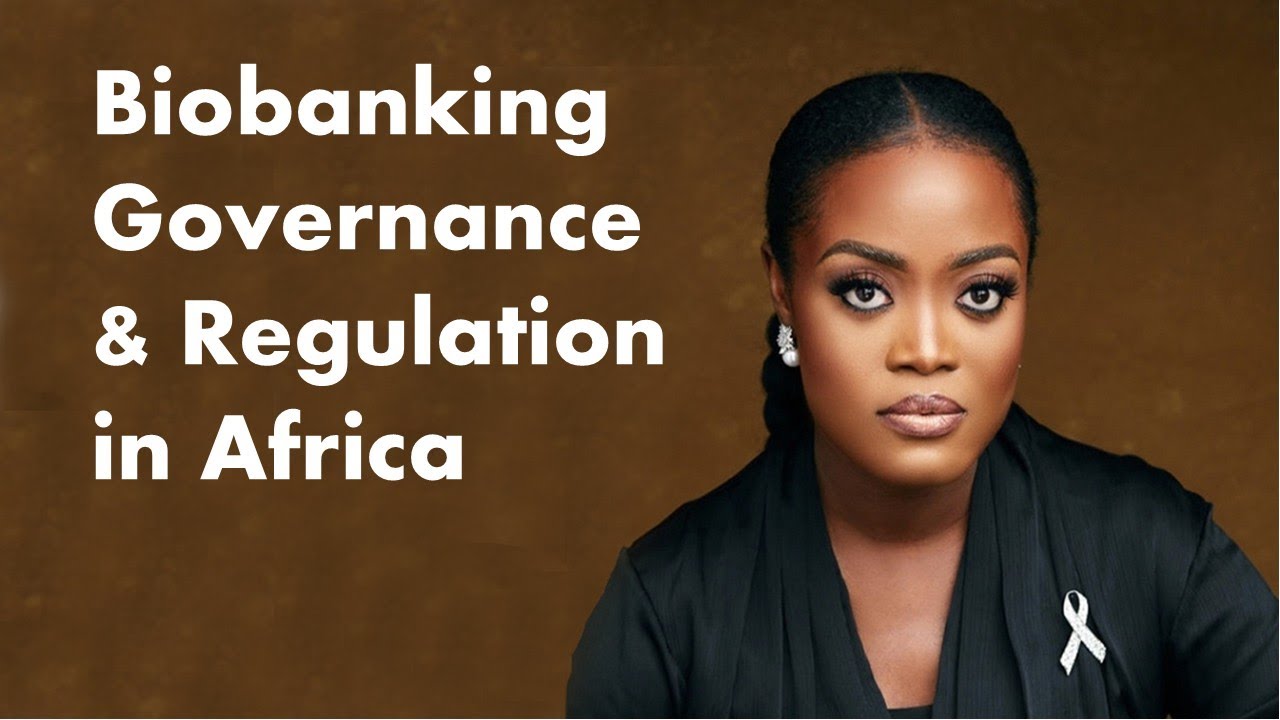
Biobanking Governance & Regulations in Africa

Dr Adaeze Oreh, National Blood Service Commission, Nigeria · 24 Nov 2022.

Read summary+

Biobanking involves the process of collecting and storing biospecimens for research. This practice became particularly important during the COVID-19 pandemic. To function effectively, biobanks must ensure proper access to specimens, informed consent, and benefit-sharing.

African challenges

Africa faces several challenges, including ethical concerns, limited resources, and inadequate infrastructure. Additionally, many countries suffer from a lack of skilled personnel, which exacerbates the problem. As a result, weak regulatory frameworks contribute to exploitative practices, as seen during the West African Ebola outbreak.

Exploitation and parachute research

Often, researchers from high-income countries exploit African samples, conducting studies and publishing results without giving proper credit to local collaborators. Due to these weak regulations, exploitation continues unchecked.

The need for strong governance

Many African nations currently lack clear or updated regulations for biobanking. This weakens accountability and enables unethical practices to thrive. Therefore, clear and flexible rules are essential for consent, data sharing, and sample ownership.

Issues of trust

Trust between participants, researchers, and institutions is crucial. Unfortunately, past unethical practices have significantly eroded trust in many low- and middle-income countries. To rebuild confidence, both engagement and transparency are necessary.

A call to action

African researchers must lead biobanking initiatives. Ethical reuse of samples should prioritize African-specific research. International collaborations should be fair, with African institutions given preference for access to resources.

Conclusion

In conclusion, Dr Oreh stressed that without stronger governance and regulations, Africa’s biobanking potential will remain limited. Protecting against exploitation is key to building local research capacity. Only through these measures can Africa take a leading role in biobanking research on the continent.

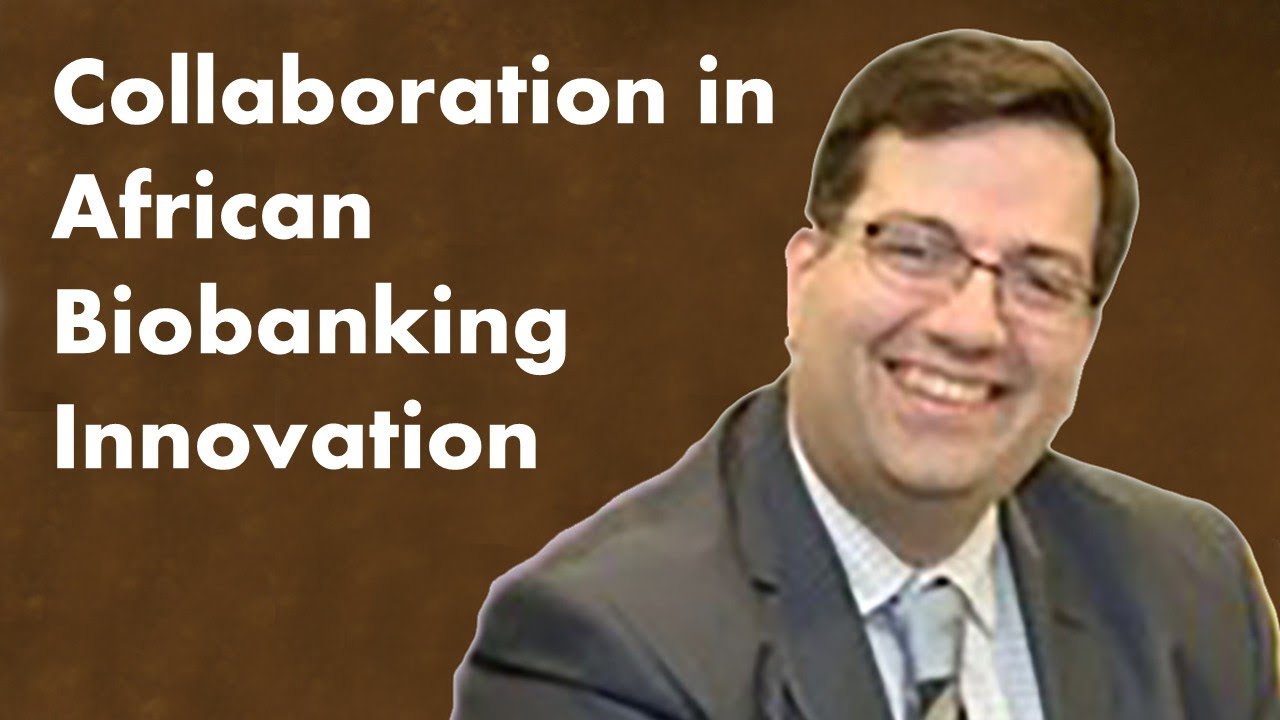
Utilization of Biospecimens from Sub-Saharan Africa

Dr Zisis Kozlakidis, Head of Laboratory Services & Biobanking, IARC/WHO · 24 Nov 2022.

Read summary+

Biobanking plays a crucial role in supporting precision medicine. The demand for biobanking services continues to grow globally. In addition to expanding facilities, biobanks are now more involved in patient management, data handling, and consent processes.

Sub-Saharan Africa’s challenges

The region faces significant barriers, including limited infrastructure, leadership, and funding. While some progress has been made, much work still remains. Furthermore, the lack of detailed data makes it difficult to address issues effectively.

Quality control and data issues

Many biobanks in sub-Saharan Africa rely on legacy systems and primarily collect blood samples. Quality control is critical to ensure reliable research outcomes. However, systematic reviews on data quality across African countries are still missing.

Improvement efforts

Since 2017, IARC has promoted improved standards by publishing minimum technical requirements for cancer research biobanks. Training programs and qualifications have been developed to support African professionals. Furthermore, local training in biobanking has begun in countries like Morocco and Egypt.

Impact of COVID-19

The pandemic accelerated digital transformation, particularly in healthcare. This highlighted the increasing importance of data management within biobanks. In addition, the crisis created an urgent need for stronger regulations and trust in digital health systems.

Outlook for the future

Dr Kozlakidis expects biobanking complexity to increase as data is reused in new and innovative ways. He also emphasized the growing focus on ethics, including preventing the misuse of samples and data. In addition, he encouraged international researchers to collaborate with African institutions, ensuring equal participation in research.

Conclusion

In conclusion, Dr Kozlakidis highlighted the need for continuous efforts to improve infrastructure and collaboration. Local training, better standards, and ethical oversight will help strengthen biobanking in sub-Saharan Africa.

Reference: Mendy M, Caboux E, Lawlor RT, Wright J, Wild CP. Common Minimum Technical Standards and Protocols for Biobanks Dedicated to Cancer Research. Lyon (FR): IARC; 2017. PMID: 33539055.

References+

de Vries J, et al; H3Africa Consortium. Regulation of genomic and biobanking research in Africa: a content analysis of ethics guidelines, policies and procedures from 22 African countries. BMC Med Ethics. 2017;18(1):8. PMID: 28153006.

Staunton C, Moodley K. Challenges in biobank governance in Sub-Saharan Africa. BMC Med Ethics. 2013;14:35. PMID: 24025667.

Mendy M, et al; BCNet survey participants. Infrastructure and facilities for human biobanking in low- and middle-income countries: a situation analysis. Pathobiology. 2014;81(5–6):252–260. PMID: 25792214.

Source samples through Biosample Hub

We connect biotech and pharma companies with trusted academic biobanks worldwide — ethically and transparently.